Smart meter automation
The project
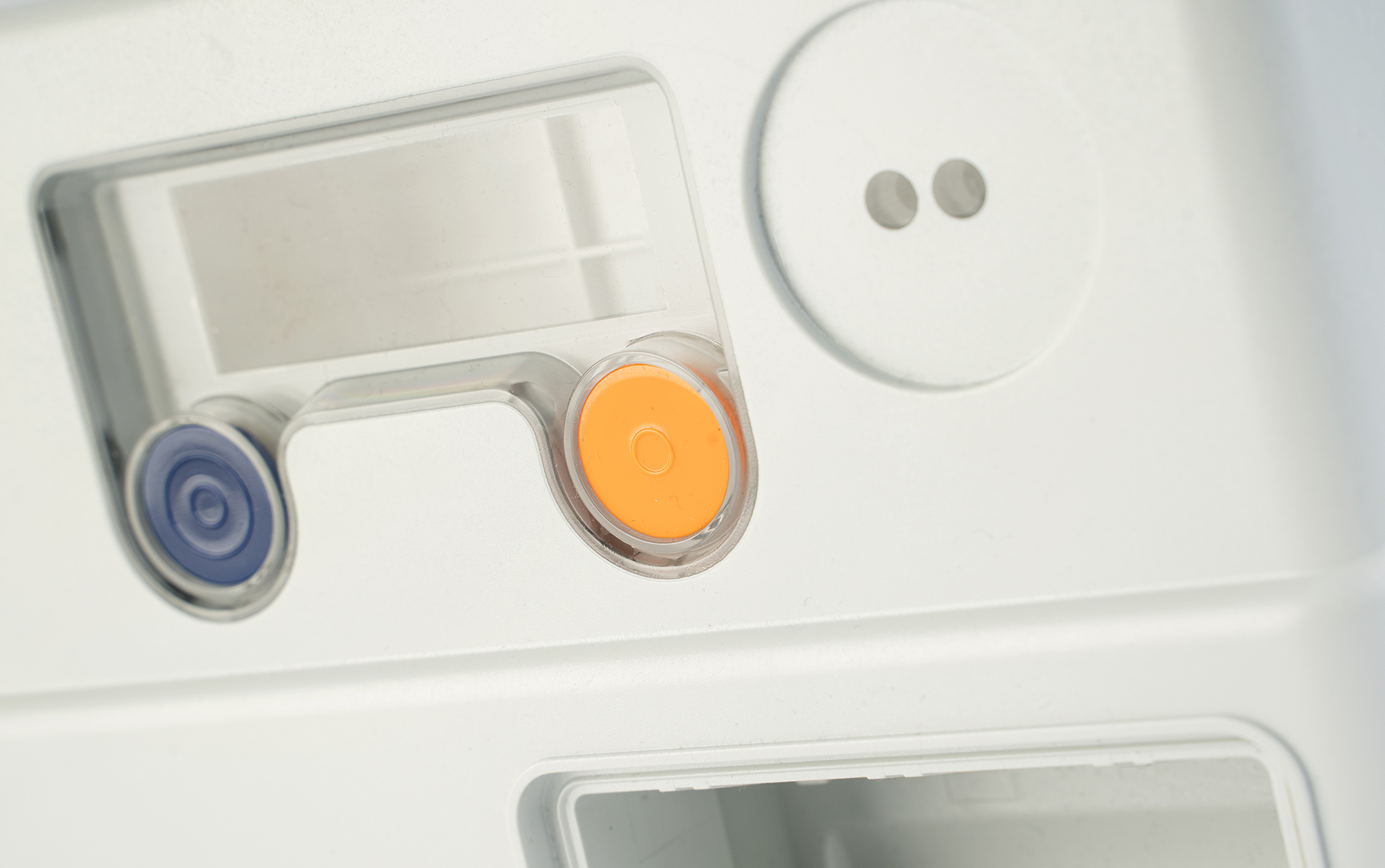
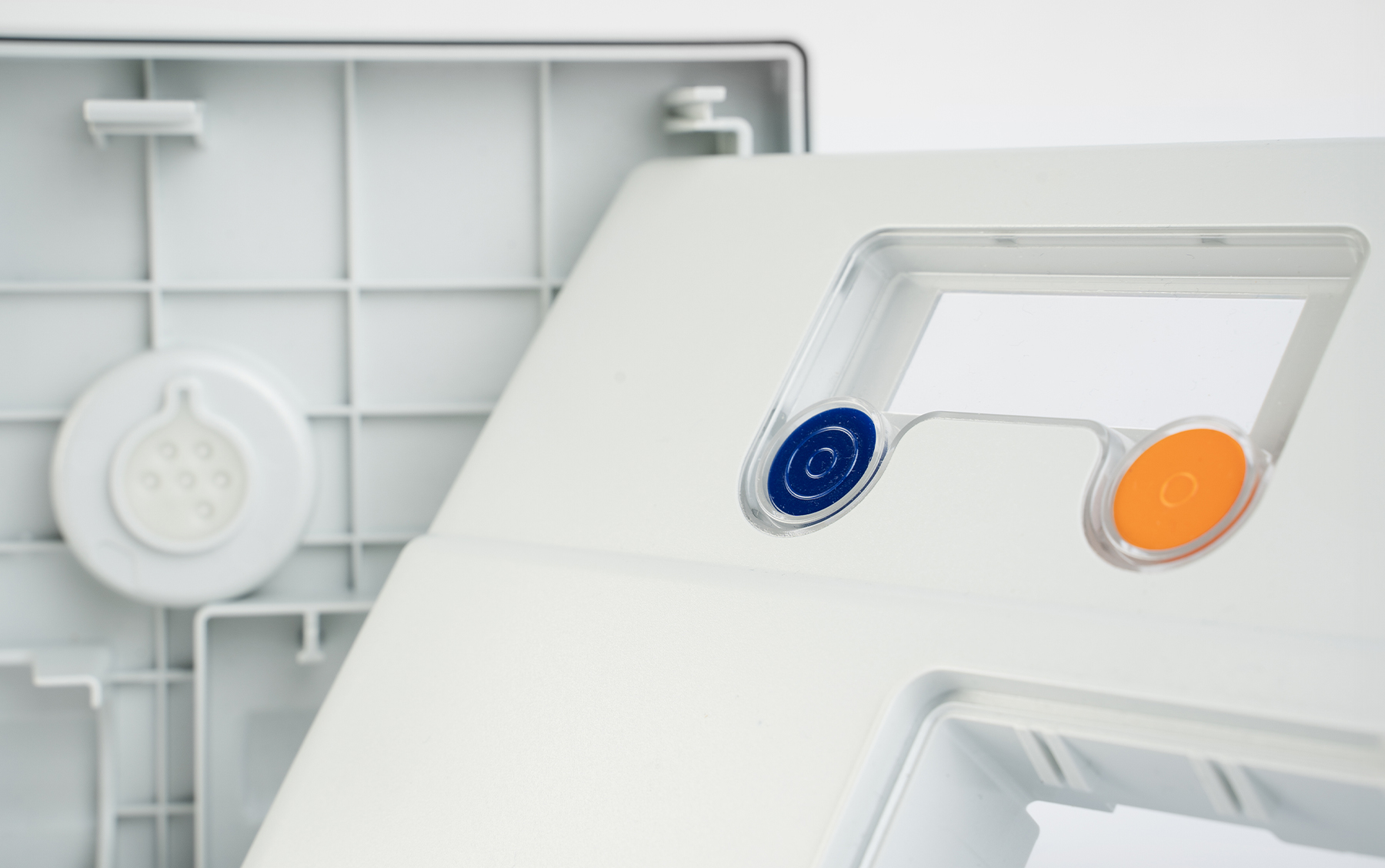
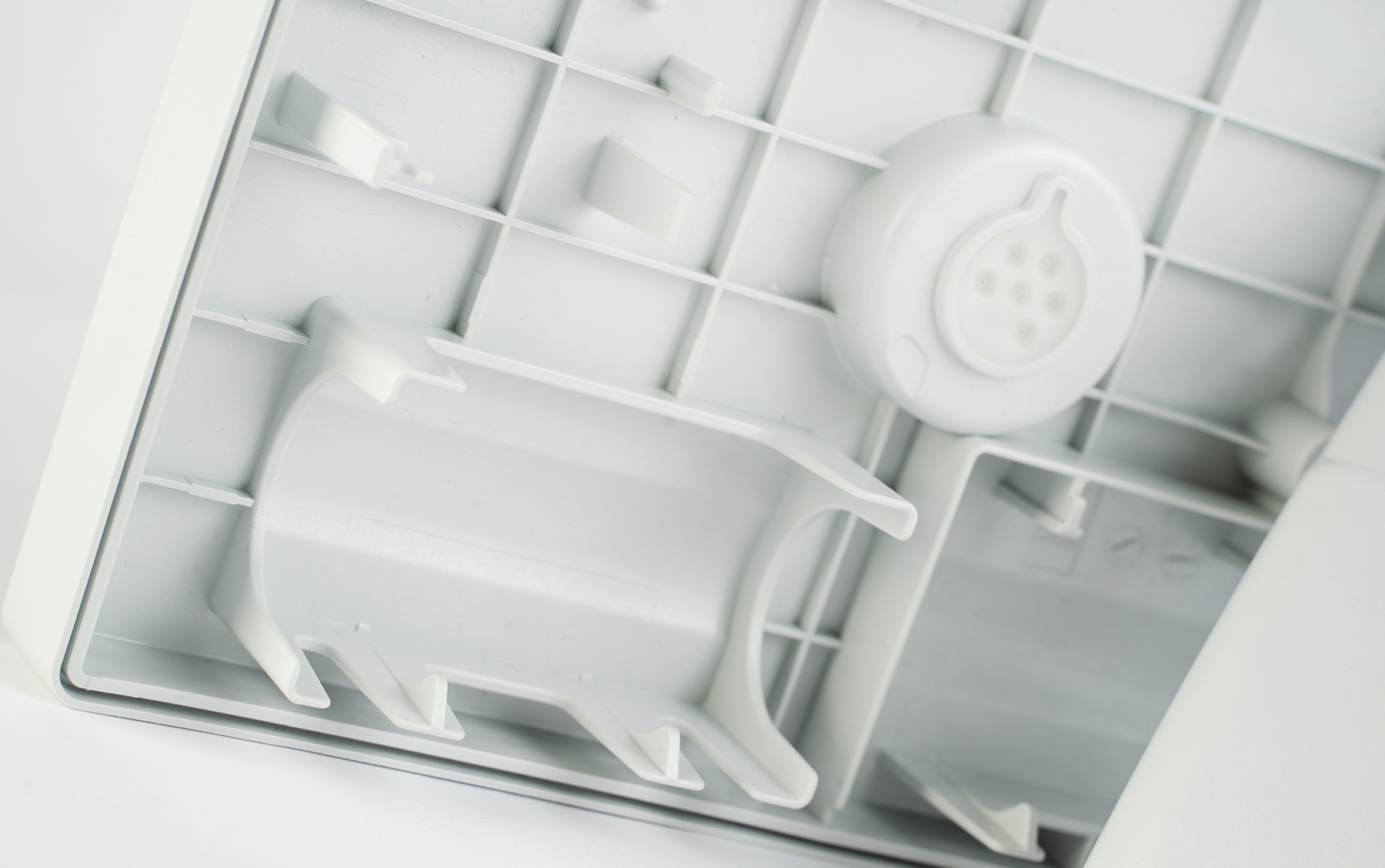
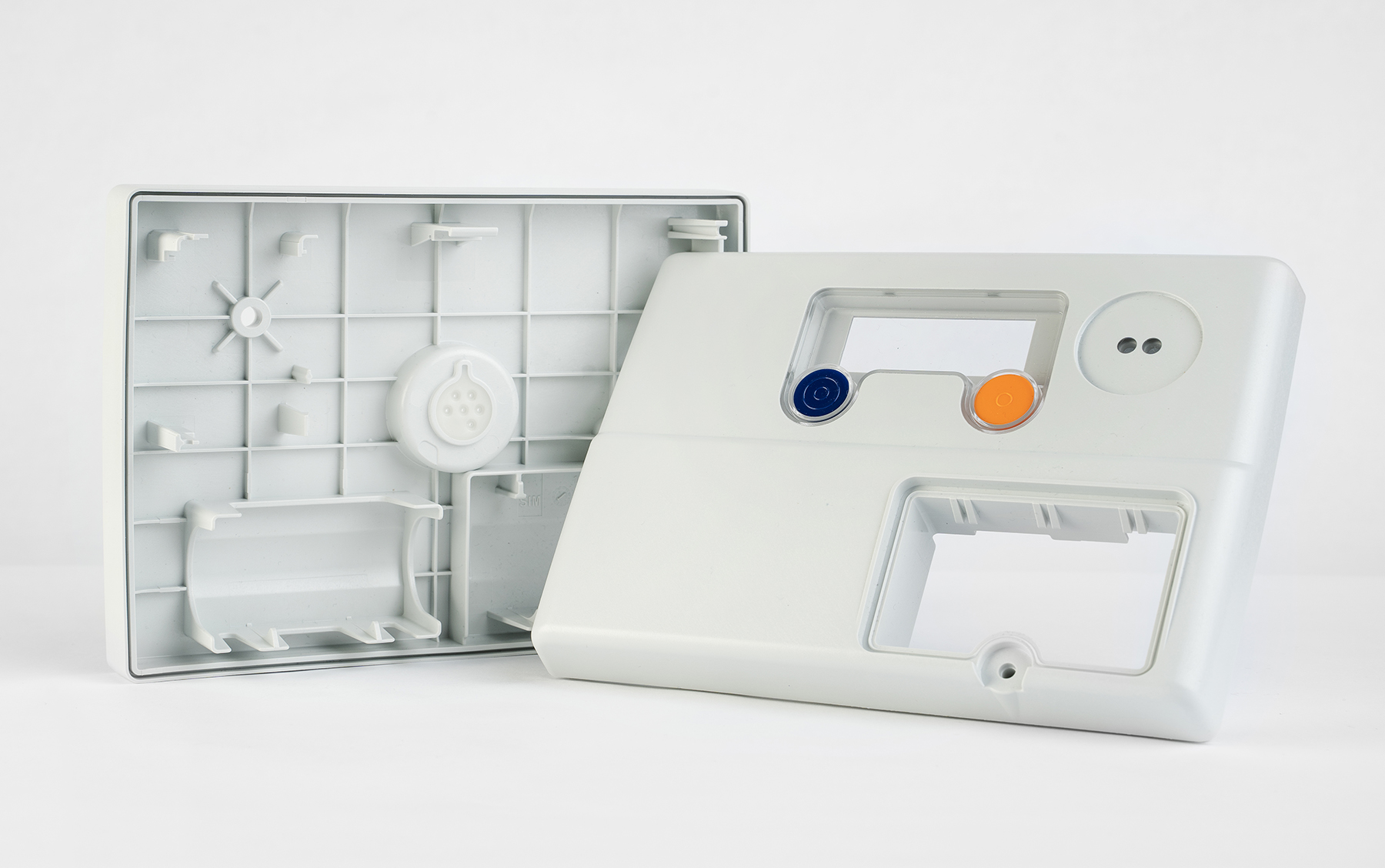
To meet the needs of a highly competitive market, we developed a fully automated solution for the production of smart meters. The project involved the integration of injection moulding machines and anthropomorphic robots, optimising time and costs over the entire line.
Sector:
Technologies involved:
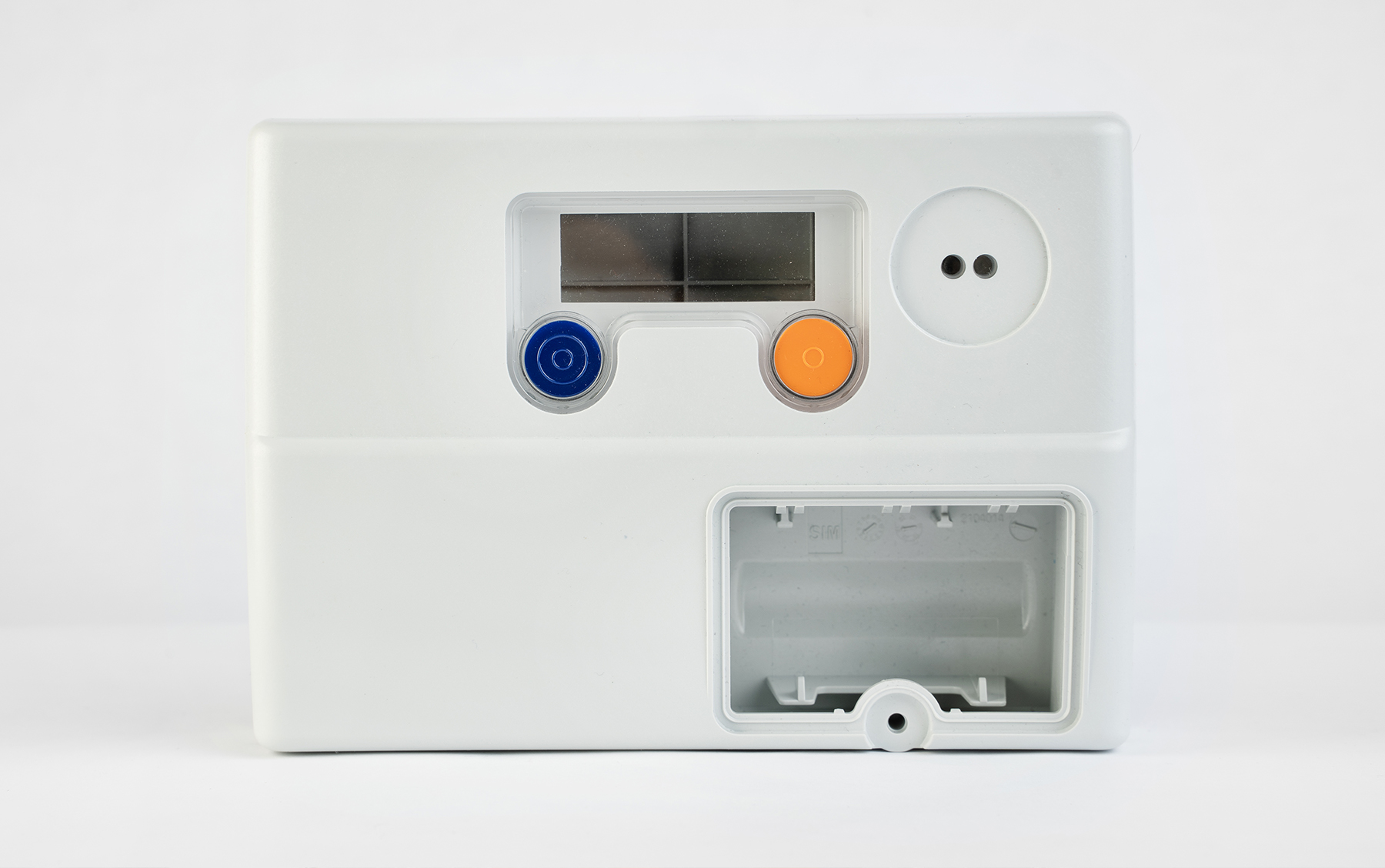
Initial requirement
The need was to realise a highly efficient workflow for the production of smart meters. In a market where competitiveness is played out on cost, precision and reliability, it was essential to ensure consistent quality and reduced waste through an engineered and fully automated proposal.
What was the problem?
The traditional production process could not achieve the efficiency levels required by the market. Manual assembly and transfers between different stages limited productivity and increased costs.
What was the client looking for?
Automation capable of seamlessly integrating the different moulding and assembly stages. The aim was to achieve a continuous, precise, and high-yield system to produce quality devices at competitive costs.
The challenge
To realise a fully automated production system capable of seamless cycle management between several machines required a careful design of the interfacing logic. The main challenge was to integrate two injection moulding machines and an anthropomorphic robot in a synchronised flow, minimising errors, rejects and downtime.
- Coordination between robot and moulding unit in real time.
- Optimisation of cycle times without compromising on quality.
- Automatic management of transfer between presses.
- Constant control of operational repeatability.
The process
The project involved a major investment in advanced technology, with the aim of achieving a fully automated production system. From the initial analysis to the fine-tuning of the line, every step was geared towards optimising the flow, synchronising operations and reducing manual variables.
Preliminary work involved the study of timing, gripping points and transfer sequences between machines. The production layout was designed to allow the robot to interface smoothly with the presses, guaranteeing operational continuity and maximum efficiency.
Material selection (in line with standards) took into account compatibility with robotic handling and process characteristics. The technical choices were aligned with the required standards in terms of precision, design and performance.
The moulds have been designed to integrate perfectly with the automation, ensuring precision and reliability during extended cycles. The structure has been optimised to avoid interference with the robotic arm during unloading and transfer operations.
The heart of the system is the interface between two injection moulding machines and an anthropomorphic robot. The latter handles both the assembly of components and their transfer from one phase to the next, ensuring repeatability, optimised cycle times and maximum operational safety.
The result
Automation has proven to be an important strategic lever. Coordination between machines and robots has made the process more stable and self-sufficient, improving the predictability of production and paving the way for more (scalable?) and sustainable management in the long term.
Smoother and more synchronised production flow.
Greater operational autonomy.
Constant traceability of work steps and parameters.
Ability to respond to increasing volumes without rethinking the entire line.
Do you have a similar project? Contact us!
If you are looking for a tailor-made solution or want to investigate the feasibility of an idea, our team is available for professional advice. We can support you at every stage of development, from initial analysis to production.