Approval
A structured technical validation
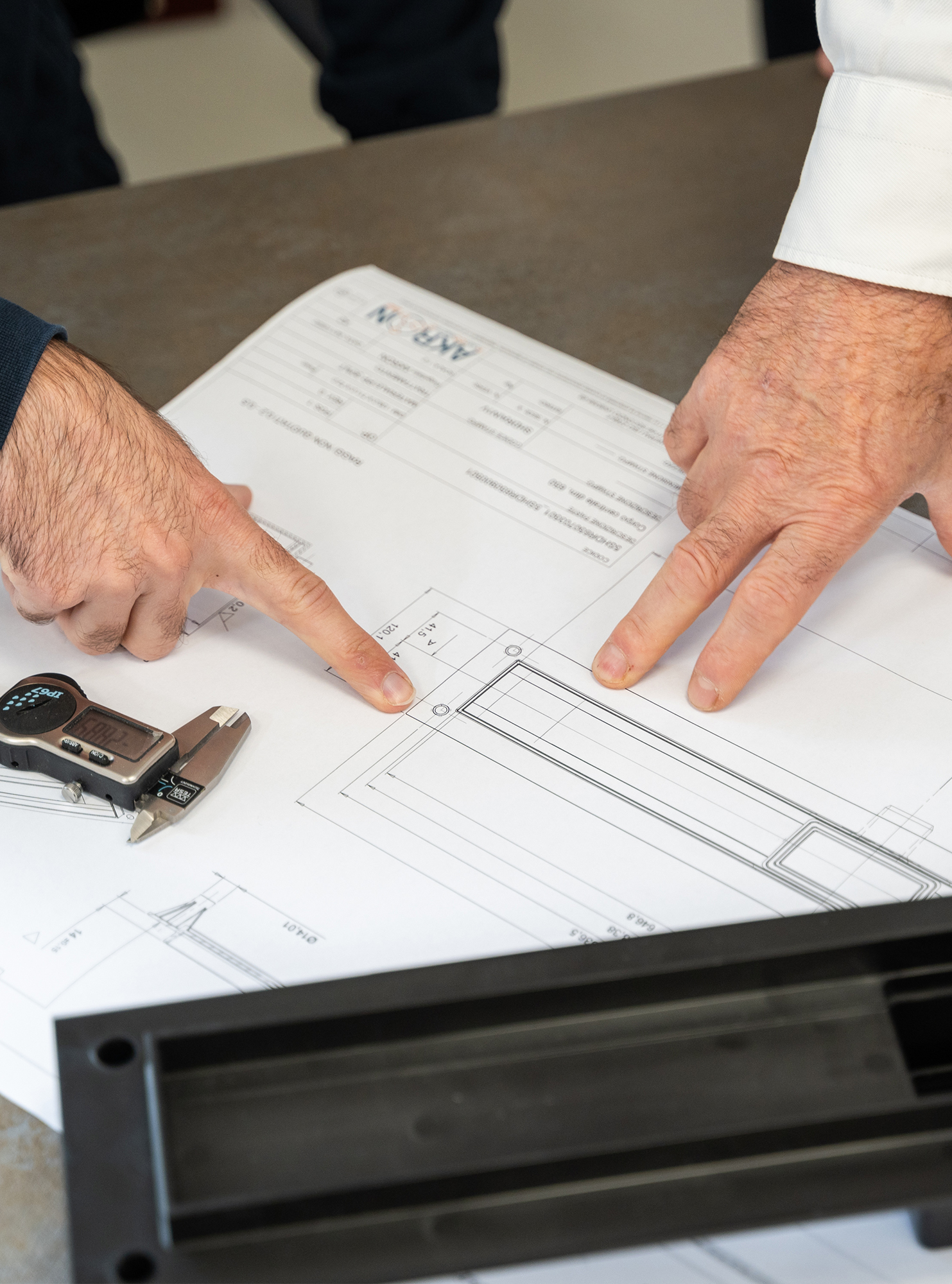
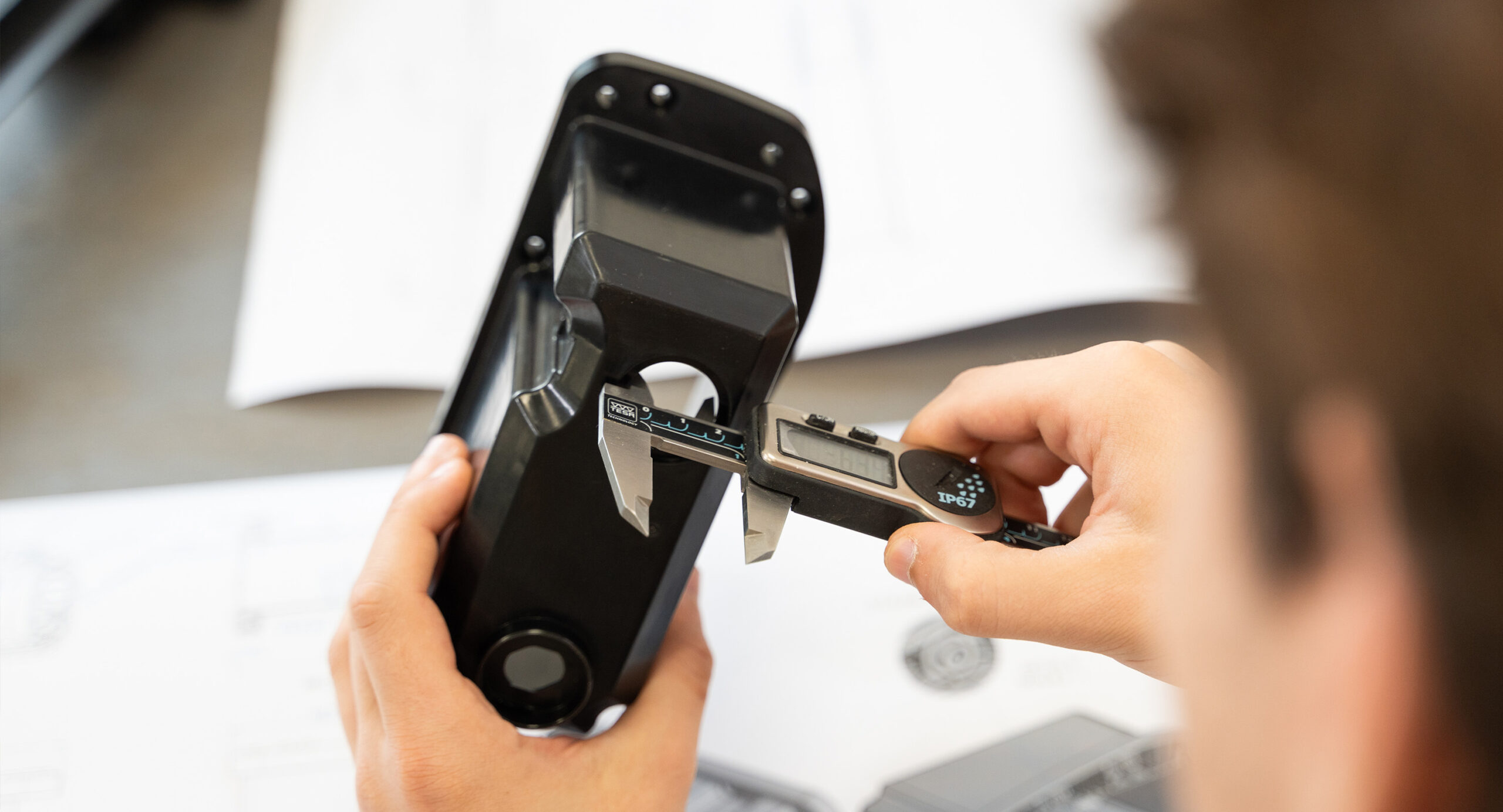
The approval process is structured on several levels of control, designed to ensure that components fully comply with the customer’s technical and quality specifications. When required by the sector or requested by the customer, we are able to implement the PPAP process (Production Part Approval Process), ensuring compliance with specific standards, regulations, and applicable requirements. Validation is carried out through the precise control of the dimensions in the 2D technical drawing, activating – where necessary – a fine-tuning phase of the mould and the production process, until full product conformity is achieved. The approach is methodical, iterative, and supported by dedicated tools to ensure repeatable results and consistent quality over time.
Key steps in the approval process
Problem solving
Through process capability analysis, we assess the consistency, robustness and repeatability of the results obtained. The timely identification of causes in case of deviations allows us to implement targeted corrective actions, progressively improving quality control. This system is crucial in the early stages of approval, where every piece of data collected is strategic for preventing defects.
MSA Measurement System Analysis
We assess the reliability of measuring instruments used in quality control by means of MSA analysis (Measurement System Analysis). This allows us to verify that the devices used are sufficiently accurate and the measurements reproducible. MSA analysis is crucial both in the initial validation phase and during series production.
CP control plan
We define a customised Control Plan, which includes critical product characteristics, inspection frequency and inspection methods. This document is built from PFMEA analysis and represents the operating standard to guarantee component quality, maximum technical rigour, and adaptability to specific application requirements.
Optical dimensional control
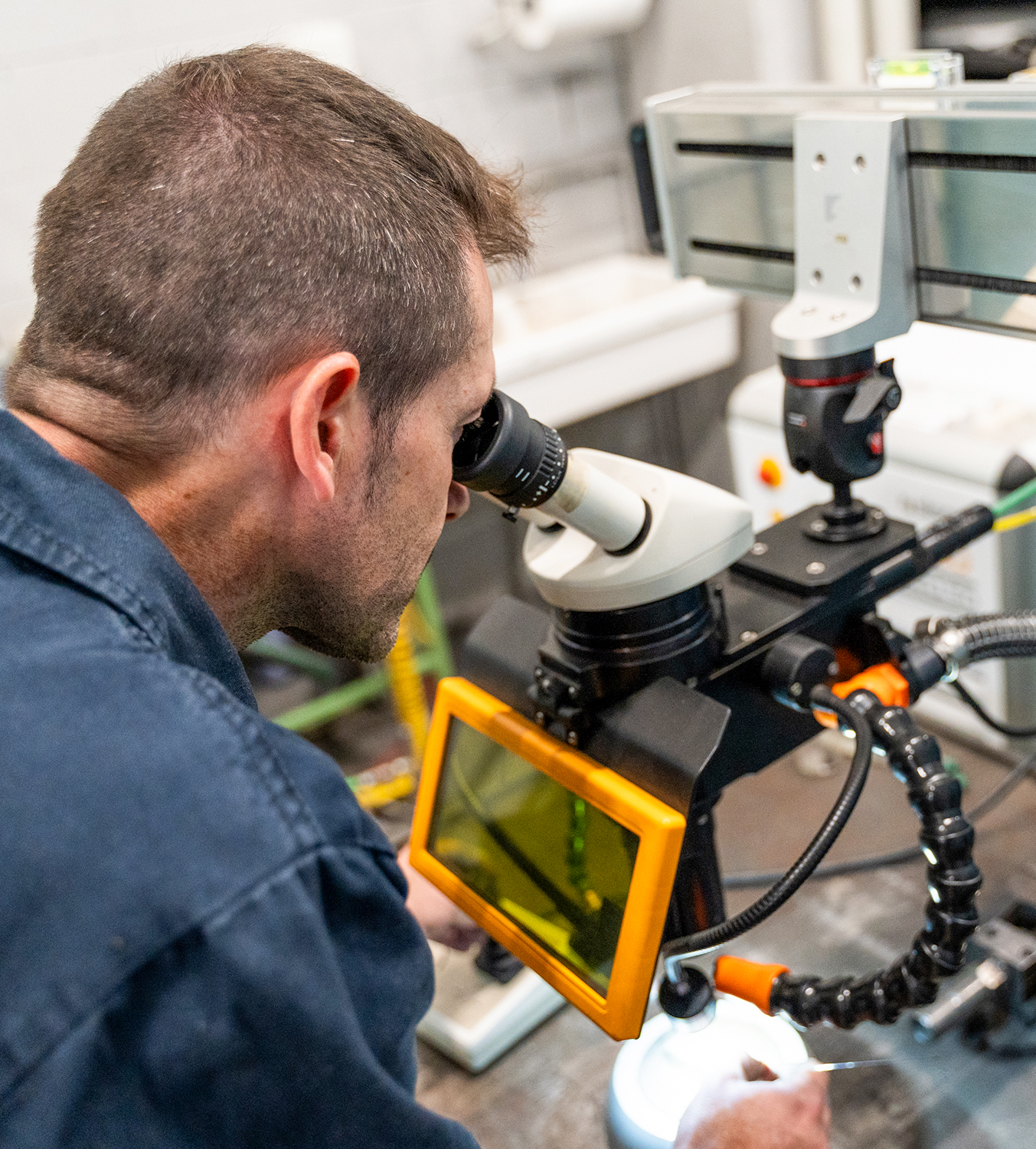
Dimensional checks are performed using certified instrumentation and advanced vision technologies, which calibrate the level of inspection according to the geometric complexity of the component and the required volumes. For applications requiring absolute precision – such as critical tolerances or zero-defect targets – we implement in-line integrated optical systems capable of performing 100% automatic inspection of parts. Using 3D scanning and machine vision, we detect deviations in real time and automatically reject non-conforming parts, ensuring continuous reliability even in high-volume production.
Compliance guaranteed by international standards
We apply structured and recognised quality management systems that enable us to operate according to international standards and industry regulations. The certifications we have obtained certify the robustness of our processes and our ongoing commitment to ensuring operational compliance and control at every stage of production.
Do you need technical support for type homologation?
Whether you have a component to validate, a process to consolidate or a specific compliance requirement, we can support you with specialised methods, tools, and technical expertise. Fill in the form: we will get back to you quickly to analyse your need together!